
Unlock Your Best Self: Why Assessment Is the Key to a Transformative Wellness Journey
Nicole Bonanni
The start of a new year often inspires us to reset, recommit, and reimagine our healthiest selves.
Yet many people jump straight into new routines without understanding the most important part of change: where you are right now.
Your current health didn’t happen overnight. It’s the result of habits, movement patterns, and nutrition choices built over time. And before meaningful transformation can happen, you must begin with clarity. That’s why, at Body Bonanza, our first step is simple and foundational:
Let’s assess.
When you’re willing to take an honest, compassionate look at what’s really going on in your body and lifestyle, you open the door to true, lasting change.
Nutrition: Eating for Your Body Type
You can eat “healthy” and still feel tired, bloated, foggy, or unwell. That’s because nutrition isn’t one-size-fits-all. A food that fuels one person may inflame another.
Body Bonanza uses the Diet Typing System, a specialized assessment designed to identify what your unique physiology needs. Instead of focusing on calories, we look at:
- Food Cravings – Your body’s signals for what it’s missing or craving for balance
- Food Feelings – How foods affect your mood, energy, and digestion hours later
- Current Health Conditions – Including issues like anxiety, inflammation, or low energy
The goal isn’t restriction, it’s recognition. By understanding which foods support your specific body type, you stop cycling through “healthy foods” that don’t actually work for you and start nourishing yourself in a way that leads to real healing and vitality.
Movement: Build Strength Based on How Your Body Moves
Before you can strengthen your body, you must understand it.
That’s why we use the Functional Movement Screen (FMS)
a trusted tool used by athletes and wellness professionals to evaluate how your body moves right now. It helps us identify:
- Your current movement patterns
- Areas of strength
- Areas needing support or correction
With this information, we create a personalized plan that builds strength safely, reduces risk of injury, and honors your body’s true capabilities. Movement becomes something you grow with, not something you push through.
The Mental & Emotional Power of Checking In With Yourself
Assessment doesn’t only transform your body, it transforms your mindset.
Once you begin using objective tools like the Diet Typing System and FMS, something powerful happens:
- You stop judging yourself and start understanding yourself.
Assessment shifts your inner dialogue from self-criticism to self-leadership:
- “What small improvement can I make today?”
This perspective builds confidence. It creates emotional freedom. And it empowers you to take ownership of your health in a way that feels compassionate, informed, and sustainable.
Over time, these small shifts create a life that feels vibrant, grounded, and deeply aligned.
Ready to Stop Guessing and Start Knowing?
Your transformation begins with clarity.
Your clarity begins with assessment.
At Body Bonanza, “Let’s Assess” is more than a starting point, it’s the foundation of a wellness journey tailored uniquely to you.
If you’re ready to understand your body, honor your needs, and build habits that truly support your life, we’d love to walk this journey with you.
✨ Begin your assessment journey at BodyBonanza.com.
“I eagerly expect and hope that I will in no way be ashamed but will have sufficient courage so that now, as always, Christ will be exalted in my body, whether by life or by death.” — Philippians 1:20 “So whether you eat or drink, or whatever you do, do it all for the glory of God.” — 1 Corinthians 10:31 When Pain Became My Motivation I didn’t start my fitness journey with God in mind. In fact, I wasn’t thinking about Him at all. I started working out as a survival tactic. Another relationship had just fallen apart, leaving me broken in spirit and unsure of what healing even looked like. My heart was in pieces, and all I knew was that something had to change. One sleepless night, I turned on the TV and caught an infomercial for P90X. It looked intense, exactly the kind of challenge I needed to drown out the noise of my pain. I had never really exercised seriously before a little Tae Bo in college, a few social trips to the gym but something inside me said, Commit. Ninety days. Go all in. So I did! That decision became one of the most pivotal moments of my life. It wasn’t just about fitness. It became the turning point of my healing. Finding Myself in the Struggle Through sweat and tears, I found myself again. I discovered self-worth in movement, strength in discipline, and confidence in consistency. For the first time, I fought for me. I pushed through every rep, every muscle ache, every doubt whispering that I wasn’t enough — and I silenced it. My body transformed, stronger, more defined, more alive but the real transformation happened inside. There was a softness in my spirit, a peace I hadn’t felt since childhood. The workouts became worship. The pain became prayer. What began as a distraction turned into devotion. What began as survival became surrender. Encouraging Others Through Faith and Fitness As my journey deepened, I realized that what God had done in me wasn’t meant to stop with me. The strength, discipline, and healing I found through fitness were never just about a better body, they were about a renewed spirit. Now, I use my story to encourage others who are hurting, lost, or ready to give up. I share openly about my struggles and victories, because testimony is powerful. When people see that transformation is possible not just physically, but spiritually, hope begins to stir inside them too. I tell them that doing hard things is worth it. Pushing through pain builds more than muscle, it builds faith. The same discipline that drives a person to finish a tough workout can become the same endurance that carries them through life’s hardest seasons. When I train or speak, I remind people that fitness isn’t about perfection it’s about perseverance. God never asked for flawless; He asked for faithful. Every rep, every run, every time you choose to keep going instead of quitting, you’re building spiritual muscle too. And when the results start to show, when strength replaces weakness, when joy replaces despair ...you realize the struggle was never wasted. It was sacred. Through my own journey, I’ve learned that honoring God with our bodies isn’t about vanity; it’s about victory. Every drop of sweat can be an act of worship. Every small step forward is proof of His grace at work within us. So now, I move to inspire. I lift to lead. I speak to remind others that no matter how broken you feel, healing is possible — and it might just begin with one hard thing done in faith. A Living Testimony Looking back, I can see God’s fingerprints all over my fitness journey. What began as a desperate attempt to survive became a daily act of surrender. He took my brokenness and built endurance. He took my pain and gave it purpose. Now, every time I move my body, I’m reminded that I’m moving in grace not just physical strength, but divine strength. The same Spirit who raised Christ from the dead lives in me, empowering me to keep going, to rise again, to overcome. So this is my message to anyone standing where I once stood: don’t despise the struggle. The hard things you’re facing might be the very tools God is using to rebuild you. Healing rarely comes easy, but it does come. And when it does, it changes everything: how you see yourself, how you see God, and how you show up in the world. You were bought with a price. Your body is not your own, it’s a vessel, a testimony, a temple. When you choose to honor God with it: through movement, discipline, and gratitude, you worship Him in the most tangible way. S o eat, train, rest, and live for His glory. Move with purpose. Breathe with faith. And let your life — body, mind, and spirit — be living proof that God still transforms from the inside out. Reflection Questions for Readers How can you begin to honor God with your body today? What “hard thing” might God be calling you to push through in faith? How can your personal journey — even your pain — become a testimony to others?
Cycles may become irregular, flows may shift, and the hormones that once felt predictable can begin to fluctuate wildly. Hot flashes, mood swings, and sleepless nights often follow. On average, women enter perimenopause around age 45, though the transition can begin earlier in the late 30s. This stage typically lasts 4–8 years before menopause officially begins. Menopause itself is defined as 12 consecutive months without a menstrual cycle and most commonly occurs around age 51. Despite being a universal experience, few of us grow up hearing what to expect. That silence leaves too many women feeling blindsided by changes their bodies were built to navigate. My Unplanned Introduction to Menopause Several years ago, I learned I had a fibroid the size of a cantaloupe. Surgery was one option, but I chose treatment with Lupron—a medication designed to shrink fibroids by temporarily inducing menopause. What followed was one of the hardest years of my life. My periods stopped. Hot flashes hit with no warning. My joints and muscles ached so intensely that everyday movement felt like a chore. As a personal trainer who relies on physical strength and stamina, feeling disconnected from my own body was heartbreaking. The emotional toll was equally heavy. That experience left me determined to approach natural perimenopause differently with more tools, more education, and far more compassion for myself. Understanding Perimenopause: What to Expect Perimenopause is driven by fluctuating estrogen and progesterone levels. Because every woman responds differently, symptoms can vary widely. Common experiences include: Irregular or skipped periods Hot flashes and night sweats Mood swings, irritability, or anxiety Sleep disturbances Midsection weight gain Brain fog or difficulty concentrating Vaginal dryness Lower libido Joint or muscle aches These symptoms aren’t imagined, they’re physiological. Research continues to affirm just how real this transition is: Up to 82% of women experience hot flashes or night sweats during perimenopause (BMC Public Health). Hot flashes can continue for years after the final menstrual cycle (Mayo Clinic). Women may lose up to 20% of bone density in the five to seven years after menopause (Bone Health & Osteoporosis Foundation). Higher physical activity levels are linked to slower bone loss during perimenopause (The Lancet). Understanding the science doesn’t erase the challenges, but it empowers you to meet them with clarity rather than confusion. What I’m Doing Differently Now After experiencing medically induced menopause, I’m approaching this next season with intention and self-care. Here’s what’s supporting me: 1. Tracking Symptoms Early I journal my mood, sleep, and cycle changes. Seeing patterns helps me anticipate shifts and gives my healthcare provider meaningful insight. 2. Supporting Joints and Bones Hormonal changes impact bone density and joint comfort. I’m prioritizing resistance training, mobility, and a nutrient-rich diet that includes collagen, calcium, and vitamin D. 3. Prioritizing Rest and Recovery Sleep and stress recovery are non-negotiable now. I schedule rest days, include deload weeks in my training, and use magnesium at night to support deeper, more restorative sleep. 4. Exploring Functional Medicine I’m taking a holistic approach testing hormones, gut health, thyroid function, and adrenal markers, to understand the full picture of what my body needs. 5. Building Community and Conversation Talking openly about perimenopause matters. Sharing experiences with clients and peers normalizes the transition and reminds us that we don’t have to navigate it alone. Final Thoughts I won’t pretend I’m not anxious. My year on Lupron left lasting memories, some of them painful. But this time, I feel stronger and better equipped. I know what signs to watch for. I know how to advocate for myself. And I know that even as my body changes, it remains capable, wise, and resilient. Perimenopause and menopause don’t have to signal decline. They can mark the beginning of a new kind of strength—one rooted in awareness, intentionality, and deep self-care. If you’re navigating this season and want support with energy, nutrition, or mood, you can explore personalized tools at BodyBonanza.com. And if you're unsure where to begin, their Diet Typing System can help you understand how to fuel your body through this transition with more confidence and clarity.
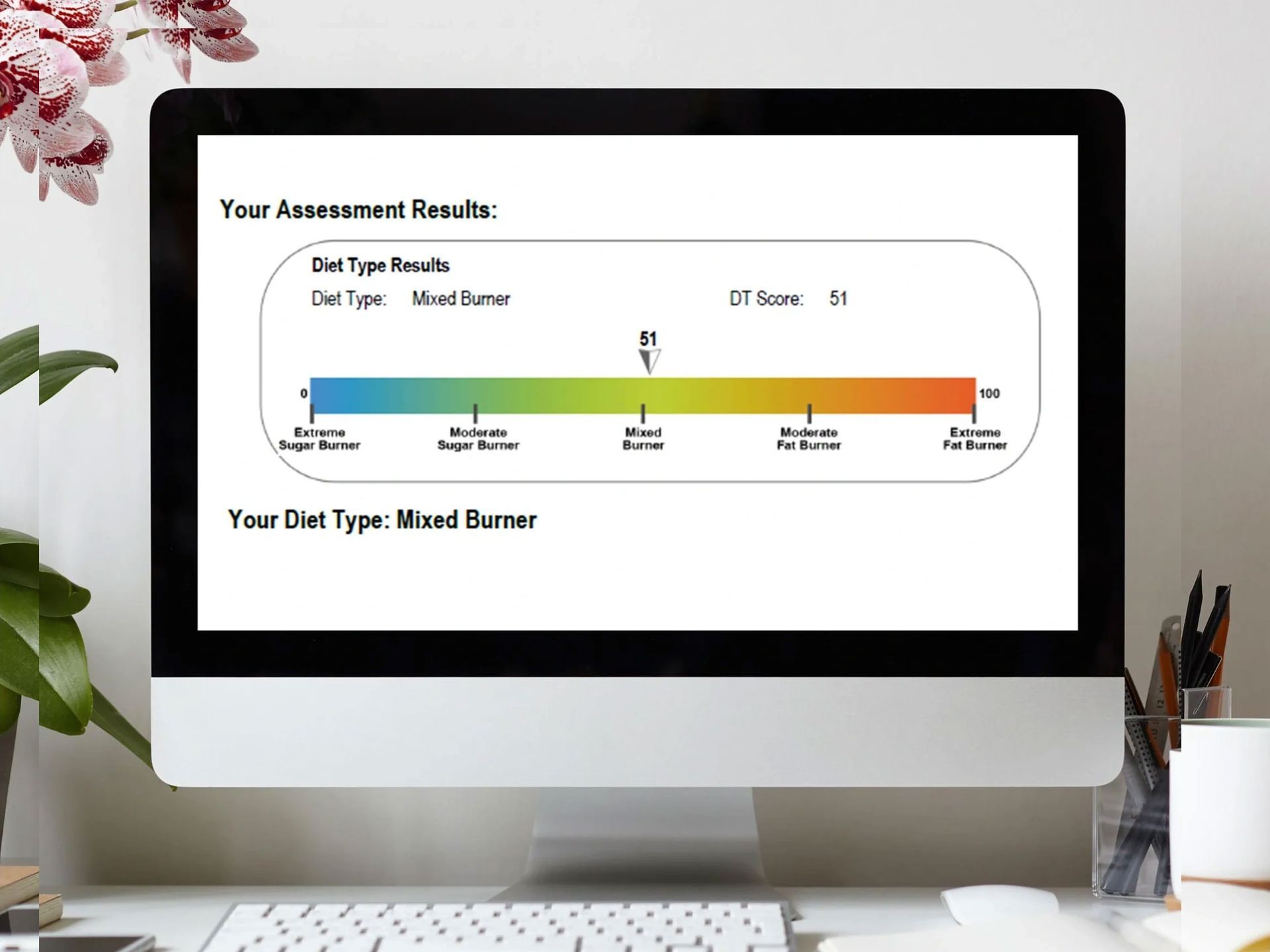
By definition, diet simply means “the kinds of food that a person, animal, or community habitually eats.” That’s it. No deprivation, no punishment, just a description of how we fuel our bodies. And just like animals follow diets aligned with their natural design, humans do too. Each of us has a unique physiology, a distinct way we process foods, and a different rhythm of energy, cravings, and needs. What fuels me may not fuel you… and that’s not a flaw. It’s an insight. What Is Diet Typing? Diet Typing is a simple but powerful system that helps you discover the specific foods and macronutrient ratios your body thrives on. With a guided questionnaire, you can: Learn which macronutrients (protein, fats, and carbs) support your optimal energy Identify where you fall on the diet typing spectrum Receive a personalized food list and e-book tailored to your body’s unique design This isn’t about restriction, it’s about recognition. It’s about understanding how your body is wired so you can fuel it intentionally. When you begin eating in alignment with your physiology, you may experience steadier energy, clearer focus, balanced moods, reduced cravings, and even relief from stress or anxiety. Food and mood are deeply connected, and diet typing simply helps you see that connection more clearly. How Food Shapes Your Mood and Energy You’ve felt it before, the sluggishness after a heavy meal, or the light, energized feeling after something that agrees with you. Diet typing takes that familiar experience and turns it into a personalized roadmap. Certain foods support your emotional balance, cognitive clarity, and even your resilience to stress. When you consistently choose the foods that fit your diet type, you’re not only nourishing your body… you’re supporting your mental and emotional well-being too. Why Structure Creates Freedom Once you know your diet type, you’re free from guesswork and endless dieting trends. Instead, you have a structure tailored to you and structure creates peace. Food journaling enhances this process even more. By writing down what you eat and how you feel a couple of hours later, patterns begin to emerge. Over time, you develop fluency in your body’s language, allowing you to make confident, intuitive choices without overthinking. Staying on Your Path Every meaningful journey has a roadmap. Diet typing gives you a personalized guide that helps you stay aligned with your goals. Yes, detours happen, life is full of them, but having a solid framework means you always know exactly how to get back on track. Your path doesn’t need to be perfect to be powerful. It just needs to be yours. Ready to Discover Your Diet Type? Diet isn’t about restriction it’s about recognition. It’s about honoring your unique body, celebrating its design, and fueling it in a way that helps you feel your absolute best. If you’re curious about your own diet type or want help creating a personalized plan, you can take the first step at BodyBonanza.com. You’ll find tools, assessments, and resources to help you understand your body better and create a plan that finally feels right for you.
Between hosting guests, mothering, running a business, and trying to maintain your own peace, it’s easy to lose the very joy the season is meant to bring. Protecting your mind, spirit, body, and boundaries allows you to move through this season with intention, grace, and strength rather than overwhelm. Creating Mental Peace Before the Holidays Begin Your mindset sets the emotional tone for your home long before the first guest arrives. Ask yourself who you want to be in this season and what energy you’re willing—and unwilling—to carry. Setting one or two mental intentions can anchor your heart, such as: “I choose softness over perfection.” “I will not over-function for others.” “I refuse to absorb chaos that is not mine.” Part of mental preparation is letting go of the belief that you must be everyone’s everything. You are not the holiday cruise director, the emotional shock absorber, or the keeper of everyone’s peace. Every adult is responsible for their own behavior and emotional regulation. It also helps to prepare for family dynamics with wisdom, not fear. Identify the people, patterns, or situations that historically overwhelm you, then create small, compassionate boundaries. Step outside for a breather if needed, limit emotionally heavy conversations, delegate responsibilities, or use a phrase like, “I’ll step away for a moment and come back to this.” These strategies keep you grounded when tensions rise. Tending to Your Spiritual Well-Being When life gets busier, people often abandon the practices that normally keep them centered. But during chaotic seasons, your spiritual rhythms are what hold you together. Practices that anchor your spirit may include: Prayer or meditation Worship or uplifting music Quiet time with Scripture Gratitude practices Intentional rest Schedule these moments with the same intention you bring to food prep or cleaning. Invite God into the logistics of your holiday, not just the emotional aftermath. Pray over your home, your schedule, your energy, and the atmosphere you want to cultivate. Creating a few spiritual non-negotiables can keep you steady—like starting your morning with a short devotion before touching your phone or ending each day with a gratitude reset. Caring for Your Physical Body Through the Holiday Rush Your body deserves preparation just as much as your home. Instead of striving for perfection, aim for a realistic rhythm that includes hydration, daily movement, nourishing meals, rest, and prepping your space before the rush. The holidays can overstimulate your nervous system with noise, clutter, cooking, scheduling, and emotional intensity. Support your body with small practices such as: Breathwork or stretching Magnesium to help calm the body Short walks or sunlight breaks Stepping into a quiet space for sensory relief Create one small sacred space in your home—a chair, a corner, even a closet—where you can retreat for a moment to breathe, recentre, and reconnect with God. This is not selfish; it’s essential. Protecting Your Capacity as a Mother, Leader, and Business Owner Delegation is one of the kindest gifts you can give yourself during the holidays. Invite others to help with dishes, snacks, table-setting, kid entertainment, or errands. You do not need to be the engine that powers the entire household. If you run a business, shift into “holiday mode.” Plan ahead with automations, scheduled posts, limited availability, and clear expectations for clients. Your business should support your life—not drain you during a season intended for connection. Communicate household expectations early with your guests. Clarify quiet hours, shared space guidelines, house rules, and where they can help themselves. Clear communication prevents resentment and protects your peace. Loving Yourself Along the Way Make sure there is at least one thing each day that belongs only to you—a bath, a workout, a book, a nap, a walk, or a quiet cup of coffee. These moments aren’t indulgent; they are how you stay whole. Release the pressure to impress. Your home does not need to look like a magazine. Your table does not need to be Instagram-perfect. Your children do not need to perform. And your body does not need to shrink or glow to be worthy. Let your humanity feel welcome in your own home. Joy rarely happens by accident; it is chosen in gratitude, in rest, in laughter, in presence, and in the simple moments that remind you what the season is truly about. A Final Truth to Carry With You You are not called to carry the holiday. You are called to host it with grace. Grace doesn’t demand perfection. Grace simply asks you to show up whole, honest, present, and anchored— as a mother, as a leader, as a business owner, and as a woman of God. You don’t have to choose between caring for others and caring for yourself. With boundaries, intention, and divine strength, you can do both. And if you need support nourishing your body, building energy, or strengthening your wellness rhythms through every season, you can explore personalized tools at BodyBonanza.com.
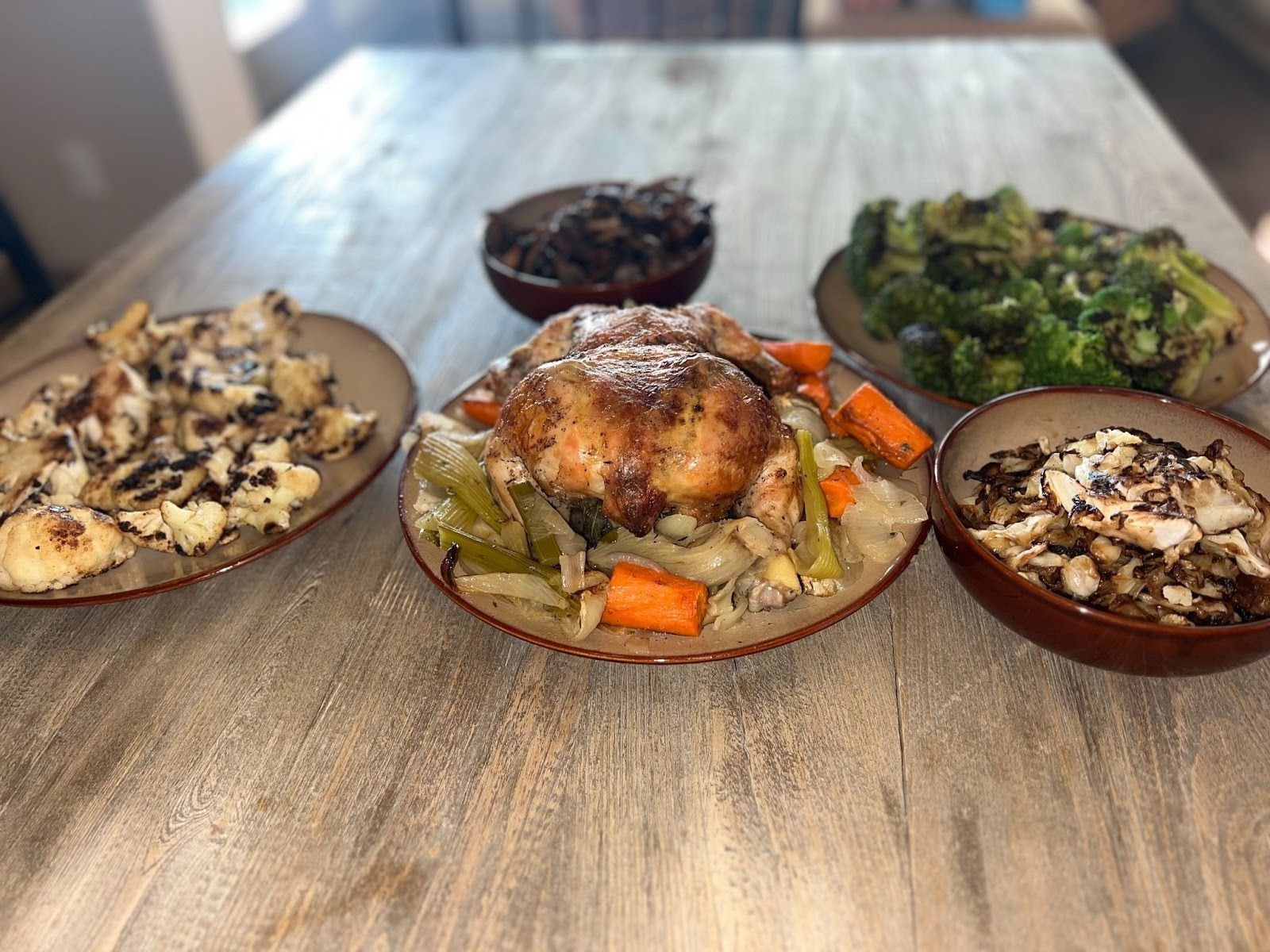
Families gather, friends reunite, and tables overflow with foods that evoke memories and spark joy. Meals bring us together, drinks invite laughter (and occasionally friendly debate), and sharing food is one of the simplest ways we bond with the people we love. But for many, this season also brings a different kind of stress—especially when navigating dietary restrictions, food intolerances, or lifestyle shifts such as gluten-free, dairy-free, sugar-free, or low FODMAP eating. These changes can feel even more complicated when surrounded by loved ones who may not fully understand why your plate looks different this year. Why Food Restrictions Feel Extra Sensitive During the Holidays Dietary needs are often misunderstood as preferences when, in reality, they are rooted in health and well-being. When your body reacts negatively to certain foods, adjusting your diet becomes a necessity—not a whim. Holiday gatherings amplify this for a few reasons: You’re eating in groups People notice what is on (and off) your plate Questions and comments may come your way You may feel pressure to “just eat it this once” Suddenly, something meant to be joyful can become emotionally draining... The Best Way to Navigate Holiday Eating With Dietary Needs The simplest and most effective strategy? Communicate with your host ahead of time. Letting them know what you can’t eat—or which lifestyle plan you’re following—sets expectations early and gives them space to prepare without pressure. It’s also important to remember: You are not asking your host to redesign the entire menu. Any accommodation they offer is an act of kindness, not an obligation. This mindset keeps relationships intact and the holiday mood joyful. A Personal Example: Living With a Garlic Intolerance As someone with a garlic intolerance, I understand how overwhelming holiday meals can feel. Garlic appears in nearly everything—sauces, marinades, dressings, stuffing—so eliminating it entirely would be unrealistic for most hosts. Here’s what works for me: I inform the host ahead of time I offer to bring a garlic-free dish (or two!) I pack enough safe food to fully enjoy the event This approach prevents discomfort for me and avoids awkwardness for the host. Everyone relaxes, and the celebration stays enjoyable. Why Bringing Your Own Food Is Actually Thoughtful People often worry that bringing their own food seems rude. In truth, it’s one of the most considerate things you can do. Bringing your own dishes: Relieves pressure from the host Ensures you have safe, satisfying options Prevents uncomfortable conversations at the table Allows you to participate joyfully in the meal And as a bonus—sometimes your dish becomes the unexpected hit of the night. Final Thoughts: Protect Your Peace and Your Health You deserve to enjoy the holidays feeling your best—without anxiety about what you can or cannot eat. With communication, preparation, and confident self-advocacy, you can stay grounded, healthy, and joyful throughout the season. The holidays are about connection, celebration, and shared moments—not stress. If you need help identifying which foods help you feel your best, you can explore personalized tools and diet typing resources at BodyBonanza.com. Empowering your body during the holidays starts with understanding it.

We are all accustomed, and many participate, in sobriety at the first of the year, however a new trend has picked up, Damp . And before I researched the topic more, I had the thought, “why bother, give it up altogether or stay with your normal drinking habits”. But now that I am better read, I am fully on board with this idea of “damp” or occasionally drinking. I n fact, it seems that participating in “damp” drinking affords the opportunity to be more consistent with moderating alcohol consumption. Why? Because, for some, it tends to be a more realistic and attainable goal to achieve. I have seen people picking which days of the week they are going to drink based on their schedules and events planned, and sticking to it. It works well for them. Another idea is to consume 1 or 2 drinks and then choosing non alcoholic beverages and mocktails the remainder of the time. This latter option allows you the freedom to enjoy the events and participate in games and activities, but without adding any additional alcohol content. Research has shown that “alcohol has a biphasic effect” meaning there are both pleasant and unpleasant effects simultaneously. But the more you drink, the further away you move from the pleasant feelings and closer to the regrettable ones many of us have known and suffered from. So, having one or two drinks sounds most ideal, but what do you do, when at a wedding, party or event that lasts much longer than those one or two drinks takes to consume? Some suggest mixing mocktails throughout- 1 alcoholic beverage, 1 mocktail, and so on. There is, also, the “slip slowly” alternative. I would like to introduce the idea of an accountability partner. Someone who is with you, at the event, and insists, once you have reached your set limit, agreed upon prior to the occasion, that you cease drinking and carry on enjoying the night. All of this might sound more attainable than a completely dry month, or months. And as with everything, you are powerfully choosing for yourself what works best for you, and your body in this season of your life. Some of us here at Body Bonanza are opting for a damp month or two, some of us are going with a dry one, and others go damp all year long. Either way, accountability and support always resides here –. Every step of the way.